
15th July 2026
How does professional development support language teachers’ growth?
Language teaching is constantly evolving! As classrooms become more diverse, technology continues to transform education and learners expect more interactive and personalised experiences, teachers need to continually develop their skills to remain effective and confident educators. Today’s language teachers need more than a strong knowledge of grammar and vocabulary; they need the ability to create meaningful learning experiences, adapt their teaching approaches and inspire students to communicate with confidence. Whether teaching English or French, educators play a vital role in helping students develop their language abilities while gaining the skills and understanding needed to connect with people from different backgrounds. As education continues to evolve, continuous professional development has become an essential part of every teacher’s journey. By exploring new methodologies, exchanging ideas with other educators and strengthening their own language skills, teachers can discover fresh approaches that make their lessons more engaging, inclusive and effective. Professional learning also encourages teachers to reflect on their practice, develop new skills and remain inspired throughout their careers.
LSI’s English for Teaching and French for Teaching courses have been designed specifically for language educators who want to take their teaching further. These professional development courses combine language improvement with practical teaching methodology, helping participants enhance their professional communication skills while discovering innovative approaches to language education. The English for Teaching course supports teachers who want to develop their English proficiency for professional contexts, enabling them to communicate more naturally in the classroom, explain concepts with greater confidence, and create richer learning experiences for their students. Through practical language development and methodology-focused activities, participants strengthen both their linguistic accuracy and their ability to teach effectively. Similarly, the French for Teaching course is designed for educators who want to improve their French language skills while expanding their teaching practice. By combining language development with modern pedagogical approaches, the course helps teachers feel more confident using French in educational settings and provides practical strategies for creating engaging French lessons.
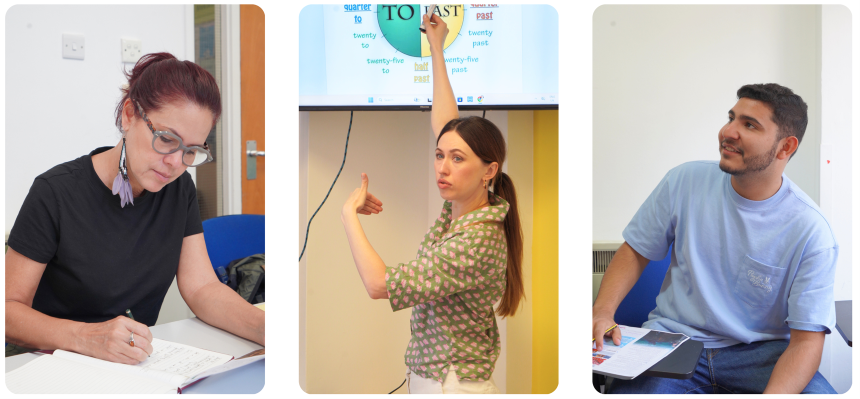
Both programmes go beyond language learning alone: they introduce educators to learner-centred methodologies, digital tools, international classroom practices and cultural perspectives that support effective language teaching in today’s world. Participants have the opportunity to collaborate with teachers from different backgrounds, share classroom experiences and gain new ideas that can be adapted to their own teaching environments. Whether you are looking to refresh your teaching methods, improve your professional language skills or gain new inspiration for your classroom, our English for Teaching and French for Teaching courses provide the opportunity to grow as an educator, connect with an international teaching community and continue making a positive impact on your learners.
What skills will you develop with LSI’s English for Teaching and French for Teaching courses?
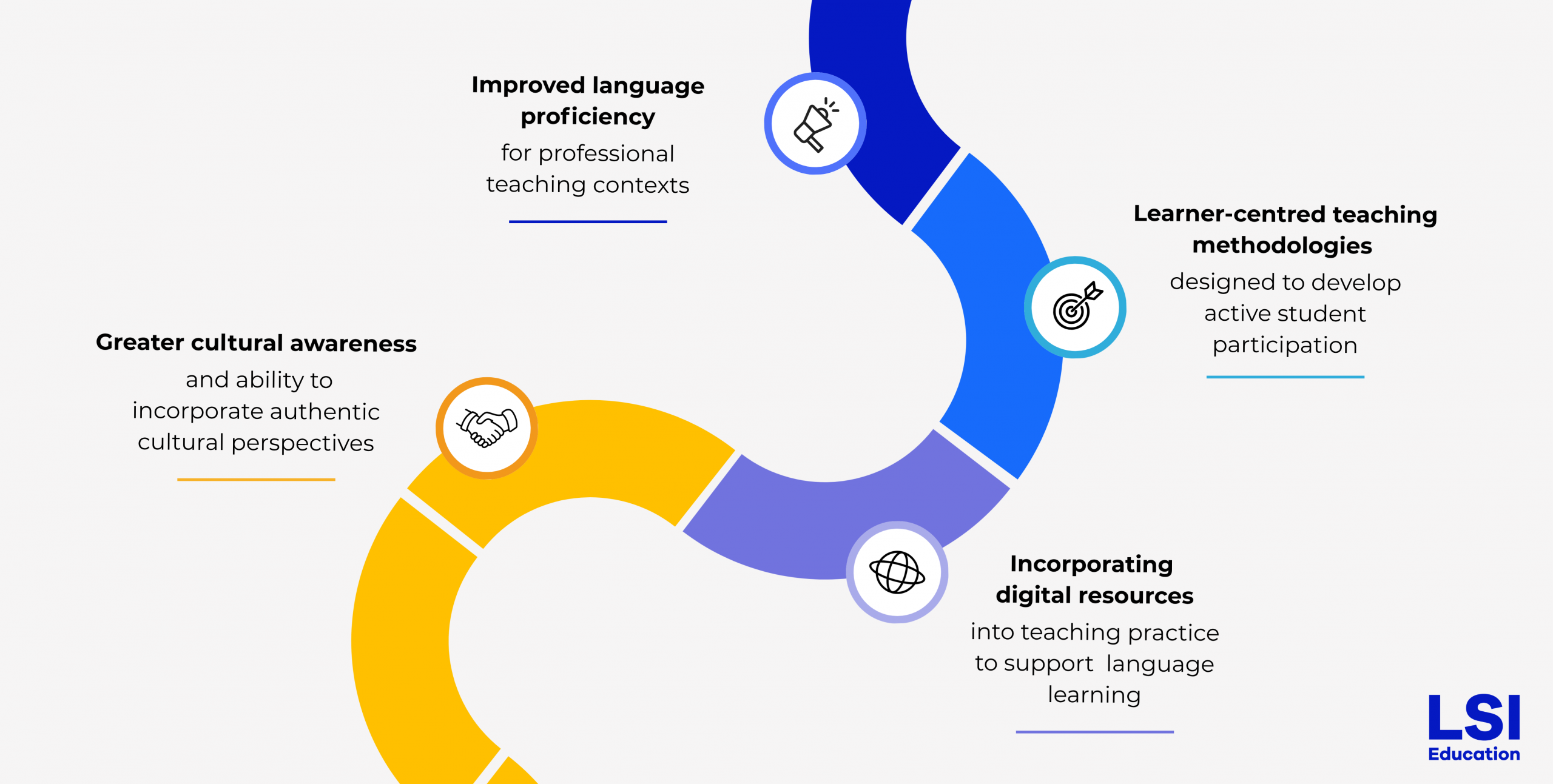
Strong language proficiency is at the heart of effective language teaching, and a teacher’s role is not only to introduce vocabulary and grammar but also to guide students in using the language naturally and accurately. To do this successfully, educators need the linguistic flexibility to explain ideas clearly, respond to questions, adapt their communication and provide students with a reliable model of the language they are learning. For teachers of English or French, developing professional language skills goes beyond improving general fluency, it involves gaining the ability to communicate effectively in a classroom environment, from giving clear instructions and explaining complex concepts to managing discussions and supporting learners with different needs. These skills allow teachers to create more interactive lessons and encourage students to participate. A deeper understanding of the language also helps educators make more effective teaching decisions: by recognising common challenges learners may face, teachers can adapt their explanations, select appropriate examples and design activities that better support student progress.
While linguistic ability provides the foundation, effective educators also need the right teaching methodologies to engage learners, encourage communication and create lessons that respond to different learning needs. The way a teacher plans activities, manages classroom interaction and adapts their approach can have a significant impact on how students experience and progress through the learning process. Our English for Teaching and French for Teaching courses introduce participants to modern, learner-centred teaching methodologies designed to place students at the heart of the classroom. Rather than focusing only on traditional teaching approaches, the courses explore practical strategies that encourage active participation, collaboration and meaningful language use: teachers learn how to create lessons that motivate learners, build their communication skills and support different levels of ability. You will explore how to design lessons with clear objectives, choose appropriate activities and create opportunities for students to practise the language in a supportive environment, moving beyond simply delivering information to creating learning experiences where students actively develop their own skills.
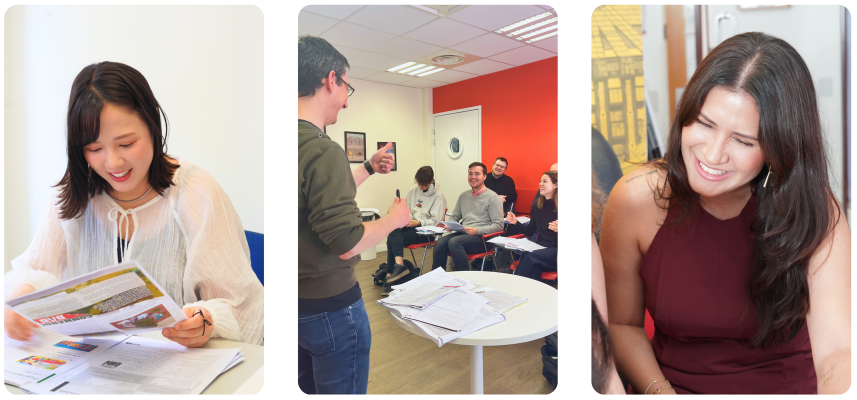
Digital technology is becoming an increasingly important part of modern language education, offering new opportunities to make lessons more interactive. When integrated effectively, digital tools can support communication, encourage collaboration and provide learners with additional ways to practise and develop their language skills both inside and beyond the classroom. For teachers, understanding how to use technology purposefully is essential to creating learning experiences that are meaningful, accessible and aligned with their teaching objectives. Rather than using digital tools simply for the sake of innovation, effective technology integration requires teachers to understand which resources best support their learners’ needs and how they can enhance existing teaching approaches. From interactive activities and multimedia resources to collaborative platforms and tools that encourage independent learning, technology can help educators create more varied lessons while maintaining a strong focus on sound teaching principles. During the course, participants explore practical ways to incorporate digital resources into their teaching practice and discover how technology can support different aspects of language learning. Ultimately, these skills enable teachers to use digital innovation with purpose, creating more dynamic classrooms where students are supported and encouraged to take an active role in their learning.
Professional development becomes even more valuable when teachers have the opportunity to learn alongside educators from different backgrounds. By sharing ideas, exchanging experiences and discussing different approaches to teaching, participants gain new perspectives that can challenge their existing practices and inspire fresh ideas for the classroom, and teachers are able to reflect on their own methods while discovering new approaches that can strengthen their teaching practice. Our English for Teaching and French for Teaching courses create an international learning environment where language teachers from around the world come together to explore teaching strategies, discuss common challenge, and learn from one another’s experiences. Through these exchanges, educators gain a broader understanding of how language teaching takes place in different contexts and can develop adaptable strategies to meet the needs of diverse learners. This international perspective naturally leads to a deeper understanding of the relationship between language and culture: by exploring different cultural perspectives and incorporating authentic materials into their lessons, teachers can help learners develop a richer understanding of the language they are studying. As a result, students develop not only stronger communication skills but also greater cultural awareness, allowing them to engage more effectively with English or French in a variety of contexts.
Why choose LSI’s English for Teaching and French for Teaching courses?
LSI has many years of experience delivering professional development programmes for language teachers from around the world. Our English for Teaching courses have been developed to support educators across a wide range of international locations, including LSI London, LSI Brighton, LSI Cambridge, LSI Toronto, LSI Vancouver, LSI New York, LSI San Diego, LSI Auckland and LSI Brisbane. Building on this expertise, we are now offering French for Teaching at LSI Paris, a new programme designed for educators who want to strengthen their French language skills while developing their teaching practice. In France and the UK, the course is offered as a 30-lesson-per-week programme, and from 2027, it will be an ideal option for Erasmus+ students looking to combine professional development with an international learning experience.
By choosing an LSI English for Teaching or French for Teaching course, participants become part of a professional learning experience designed to broaden their skills, perspectives and approach to language education through a combination of expert-led training, practical methodology sessions and collaborative activities. Learning alongside educators from different countries creates a valuable exchange of ideas, where participants can compare teaching approaches, share classroom experiences, and gain insight into different educational contexts. These international perspectives encourage teachers to think critically about their own practice and develop adaptable strategies that respond to the needs of today’s diverse learners. Studying at an LSI school also means becoming part of a vibrant, multicultural community where teachers can connect with learners from around the world and experience life in an international environment. Each school offers a varied social activity calendar, giving participants the opportunity to explore their host city, discover local culture and build connections outside the classroom. These experiences help create a richer learning journey, where professional development is combined with personal growth and cultural discovery!
To learn more about our English for Teaching and French for Teaching courses, read our latest newsletter here: Great Teachers Never Stop Learning! Take Your Teaching Further with LSI 💡
Subscribe to our newsletters here: Don’t Miss Out – Subscribe to Our Latest Updates!
And visit: Intensive English Language Immersion